Data posts
14 posts in the Data category.
Validate JSON, Then Convert It to CSV
A small, reproducible workflow for validating a JSON array with Draft-07 before converting it to spreadsheet-ready CSV.

How Data Compression Works: gzip, Brotli, and Zstd Explained
Your server already compresses responses with gzip or Brotli — but do you know what those algorithms actually do? Understanding compression helps you optimize assets and set correct headers.

Markdown: The Writing Format Every Developer Should Know
Markdown is how developers write README files, documentation, and issue comments. Learning the full spec — including the extensions that different platforms add — takes under an hour and pays dividends forever.

INI Files: The Oldest Config Format Still in Use
INI files pre-date the internet as we know it — yet Python's configparser, Git's config, and countless system tools still use them. Here is what you need to know about this enduring format.

How to Read and Write JSONL (JSON Lines) — The Streaming Format
JSONL puts one JSON object per line, making it streamable, appendable, and easy to process without loading the entire file into memory. Here is why that trade-off matters.

Data Normalization Explained: 1NF, 2NF, 3NF Without the Jargon
Normalization rules sound abstract until you see what a denormalized table looks like after six months of updates. This guide explains the normal forms using simple, concrete examples.
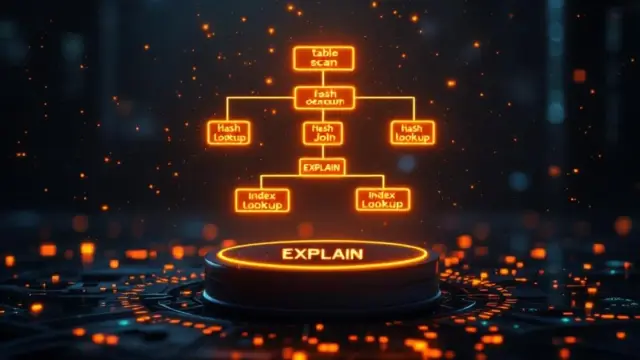
How SQL Query Planners Decide What Your Query Does
You write SQL declaratively, but the database engine decides how to execute it. We open up Postgres EXPLAIN to show how query planners actually choose strategies.

Understanding Database Indexes: How They Work and When to Use Them
An index can turn a ten-second query into a millisecond query — or slow down your writes significantly if misused. Understanding the data structure behind indexes makes both outcomes predictable.

NoSQL vs SQL: Choosing the Right Database for Your Project
The choice between SQL and NoSQL is not about which is better — it is about matching the data model to your access patterns. Here is a framework for making that decision with confidence.

SQL Basics: From Zero to Writing Real Queries
SQL is one of the most valuable skills a developer can have — and the fundamentals are surprisingly approachable. Start here to write your first real queries confidently.
TOML: The Config Format Rust Developers Love
TOML was designed to be obvious at a glance — a config format with explicit types and no whitespace sensitivity. Cargo.toml made it famous, but it is now used across the ecosystem.
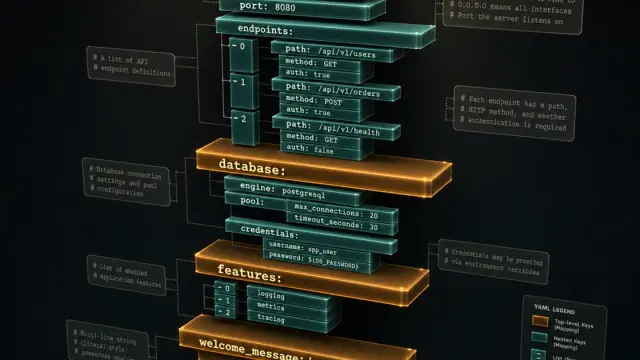
YAML Explained: Configuration Made Human-Readable
YAML is everywhere in DevOps — Docker Compose, Kubernetes, GitHub Actions, Ansible. Its indentation-sensitive syntax looks clean but has sharp edges. This guide covers the rules you need to know.

CSV and TSV: The Universal Data Exchange Format Explained
CSV files look trivial until you encounter a value with a comma inside it, a newline in a cell, or a file saved in the wrong encoding. This post covers everything you need to handle CSV correctly.

XML vs JSON: Which Format to Use and When
JSON took over the web API world, but XML still powers enterprise integrations, configuration files, and document formats. Here is a clear-eyed comparison to help you choose the right one.